Quick Overview
Discover everything about fishing kayak rentals: costs, gear, top spots like Cape Cod & Salmon River, and pro tips for a successful trip.
What You’ll Learn
- Why Choose a Fishing Kayak Rental?
- What to Look for in a Fishing Kayak Rental
- Top Fishing Kayak Rental Destinations
- How Much Do Fishing Kayak Rentals Cost?
- Step-by-Step: How to Rent a Fishing Kayak
- Essential Gear and Safety Tips for Your Rental Trip
- Common Mistakes to Avoid When Renting a Fishing Kayak
- Fishing Kayak vs. Fishing Canoe Rental: Which Is Right for You?
Imagine gliding silently across a calm lake, casting your line into pristine waters, and feeling the thrill of a tug on your rod—all without the hassle of owning or transporting a kayak. That’s the beauty of fishing kayak rentals. Whether you’re a seasoned angler or a curious beginner, renting a fishing kayak opens up a world of possibilities: access to prime fishing spots, specialized gear like pedal drives and rod holders, and the freedom to explore without a long-term commitment.
But not all rentals are created equal. From choosing the right kayak for your skill level to understanding hidden fees and local regulations, a little planning goes a long way. This guide covers everything you need to know about fishing kayak rentals—including top destinations like Cape Cod, the Salmon River, and Fish Creek—so you can focus on what matters: landing the big one.
Why Choose a Fishing Kayak Rental?
Save Money and Avoid the Hassle of Ownership
Buying a fishing kayak can be a significant investment, often costing $1,000 to $3,000 or more for a quality model with pedal systems and rod holders. Renting eliminates this upfront expense, making it an ideal choice for occasional anglers or those new to the sport. You also avoid the ongoing costs of maintenance, winter storage, and the need for a roof rack or trailer. For example, if you plan to fish only a few times a year, a fishing kayak for rent allows you to enjoy the experience without committing to a large purchase. Plus, you won’t have to worry about transporting a bulky kayak—simply show up at the launch site and start fishing.
Access Specialized Gear Without the Commitment
When you rent a fishing kayak, you gain access to high-end features that would be expensive to buy outright. Many rental fleets include pedal-drive systems, which let you move silently through the water while keeping your hands free for casting. This hands-free capability is crucial for controlling your rod and reeling in fish. You’ll also benefit from built-in horizontal rod storage that protects your expensive rods and reels, as well as stable hull designs that allow you to stand up and scout for fish. For instance, kayak rentals Cape Cod often offer pedal kayaks with multiple rod holders, perfect for targeting striped bass in choppy waters. Similarly, a salmon river kayak rental might provide specialized models with anchor systems and fish finders, giving you an edge without the cost of buying these extras.
Try Before You Buy and Explore New Waters
Renting is the perfect way to test different kayak styles before making a purchase. You can try a sit-on-top model for warm-weather bass fishing or a more stable platform for river currents. This “try before you buy” approach ensures you invest in the right kayak for your needs. Additionally, renting lets you explore diverse fishing destinations without hauling your own gear. For example, a bass river kayak rental allows you to fish a new river system for a day, while a salmon river kayak rental lets you target seasonal runs without the logistics of transporting your kayak. Many outfitters also include safety equipment and paddling gear at no extra charge, and staff can demonstrate how to strap down a kayak if you decide to transport one later. Whether you’re a beginner or a seasoned angler, renting opens up opportunities to fish prime locations with minimal effort.
What to Look for in a Fishing Kayak Rental
Stability for Standing and Hands-Free Control
When you rent a fishing kayak, stability is non-negotiable—especially if you plan to stand up to scout for fish or cast into tight spots. Top-tier fishing kayaks for rent feature wide, flat hulls that resist tipping, even in choppy conditions. This design allows you to stand confidently while reeling in a catch or navigating currents. For hands-free operation, look for pedal-drive systems or trolling motor mounts. Pedal drives let you maneuver silently through weed beds or along shorelines while keeping both hands on your rod. Trolling motors offer effortless propulsion on larger waters, such as those found in kayak rentals Cape Cod or on the Salmon River. A pedal or motor system transforms your experience, letting you focus on fishing rather than paddling.
Horizontal Rod Storage and Built-In Tackle Trays
Protecting your gear is critical, and horizontal rod storage is a hallmark of quality fishing kayaks. Unlike vertical storage, horizontal tubes keep rods secure and out of the way, preventing tangles and damage during transport or when you’re fighting a fish. Many rental kayaks also include integrated tackle trays, which slide into the hull for easy access to lures, hooks, and weights. For example, a Salmon River kayak rental often comes with these features to handle the swift currents and rocky banks. Similarly, a Bass River kayak rental might offer multiple tray compartments, allowing you to organize soft plastics, crankbaits, and terminal tackle without clutter. This built-in storage saves space and ensures your essentials are within arm’s reach.
Comfortable Seating for Long Days
A full day on the water demands a seat that supports your back and keeps you dry. Premium fishing kayak rentals feature adjustable, high-back seats with padded cushions and breathable mesh. Look for models that allow you to recline or raise the seat height, which improves visibility and reduces fatigue. On popular waterways like those served by kayak rentals Cape Cod, comfortable seating is a must for hours of casting and trolling. Some rentals even include seat risers for better posture and legroom. Before you rent a fishing kayak, ask about seat adjustability and cushion thickness—it can make the difference between a memorable trip and an aching back. Whether you’re exploring the Bass River or the Salmon River, prioritize a seat that keeps you comfortable from sunrise to sunset.
Top Fishing Kayak Rental Destinations
Cape Cod: Saltwater Flats and Striped Bass
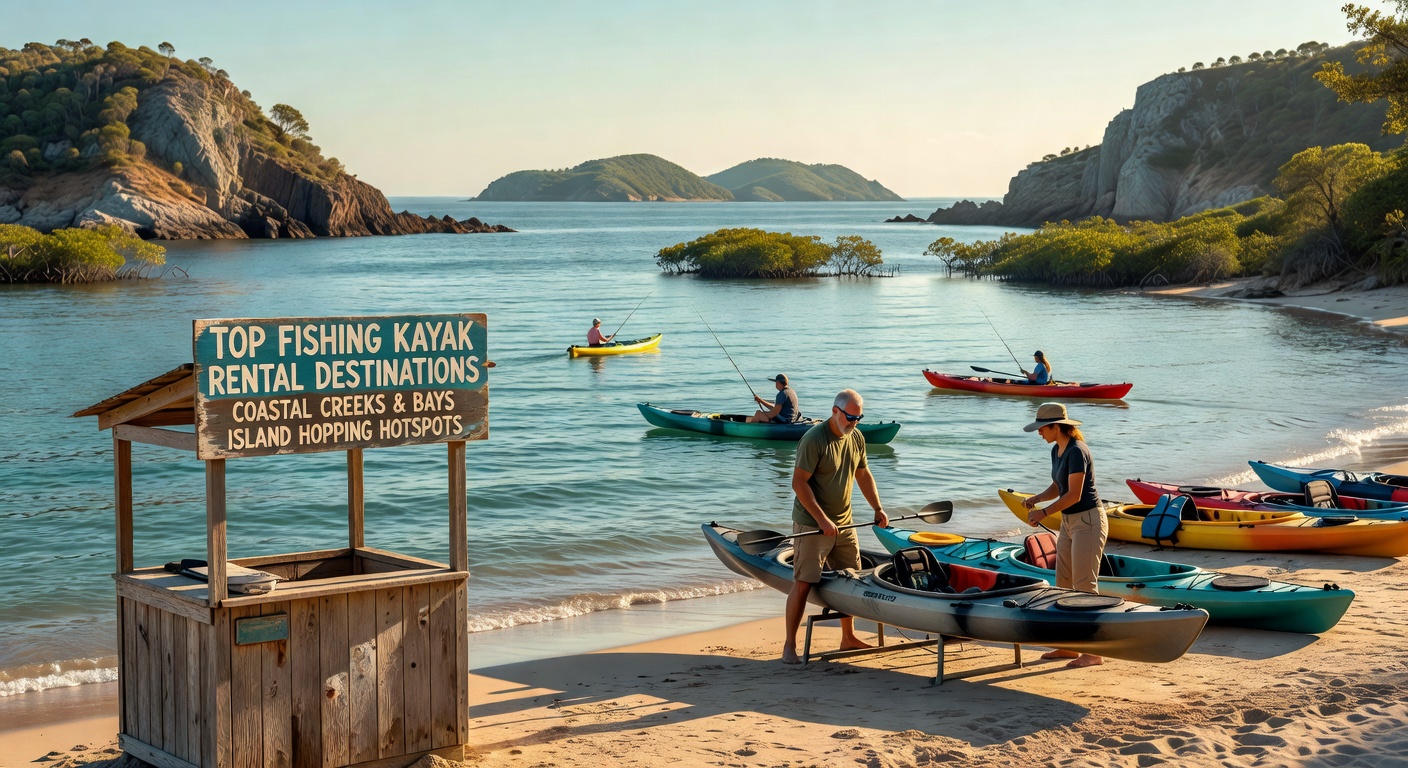
For anglers seeking a unique saltwater challenge, Cape Cod offers world-class flats fishing from a fishing kayak for rent. The shallow, clear waters of places like Pleasant Bay and Monomoy Island are prime grounds for sight-casting to striped bass and bluefish. Local outfitters such as Cape Cod Kayak Rentals provide stable, sit-on-top kayaks designed for these conditions, complete with horizontal rod storage to protect your gear. The best times are early morning or late evening during the summer, when the tide pushes fish onto the flats. Remember to check tide charts and bring polarized sunglasses to spot fish in the glare.
Salmon River: Steelhead and Trout in New York
The Salmon River in upstate New York is a premier destination for steelhead and salmon fishing, and a salmon river kayak rental gives you access to stretches that are difficult to reach from shore. Outfitters like Salmon River Kayak Rentals offer specialized fishing kayaks with rudders for navigating the river’s currents. The fall run (September to November) is peak season for Chinook and coho salmon, while spring brings steelhead. Be prepared for cold water and variable flows—always check the dam generation schedule before heading out. Many rentals include a safety briefing and basic gear, but you’ll need your own fishing license and appropriate tackle.
Bass River and Fish Creek: Freshwater Favorites
For bass fishing enthusiasts, a bass river kayak rental on the Bass River in Massachusetts provides calm, protected waters ideal for targeting largemouth and smallmouth bass. The river meanders through marshes and ponds, offering plenty of cover and structure. Local shops like Bass River Kayak Rentals supply stable kayaks with built-in rod holders and storage for tackle boxes. Meanwhile, in the Adirondacks, Fish Creek offers a more remote experience. Rent a fishing kayak from Adirondack Lakes & Trails Outfitters to explore the creek’s quiet backwaters, where brook trout and landlocked salmon thrive. The best fishing is in spring and fall when water temperatures are cooler.
Fish Lake and Other Gems
Fish Lake in Oregon is a high-elevation gem known for its rainbow trout and kokanee salmon. Kayak rentals are available from Fish Lake Resort, which provides stable fishing kayaks with paddle and life jacket included. The lake’s clear, cold water requires light tackle and small lures. Other popular spots include the Caney Fork River in Tennessee, where Caney Fork River Rentals offers fishing kayaks with no hidden fees and includes damage protection. For a Minnesota adventure, consider Clearwater Outfitting on the Mississippi River, where you can rent a fishing kayak for rent and explore backwaters teeming with bass and pike. Each location offers unique conditions, so research local regulations and seasonal patterns to maximize your trip.
How Much Do Fishing Kayak Rentals Cost?
Self-Guided Fishing Kayak Rentals: $70–$125 Per Day
For anglers who prefer to explore on their own, a self-guided fishing kayak for rent typically costs between $70 and $125 per day. This price usually includes the kayak, a paddle, a personal flotation device, and basic safety gear. Outfitters like those on Cape Cod or along the Salmon River often offer half-day rates (around $50–$80) for shorter trips. When you rent a fishing kayak for a full day, you gain access to stable, hands-free platforms designed for casting and reeling. Many rental shops, such as those specializing in kayak rentals Cape Cod, provide kayaks with horizontal rod storage to protect your expensive rods and reels. Be sure to ask about damage insurance—reputable outfitters often include a small fee (like $5) for damage protection, ensuring no hidden fees surprise you at checkout. For example, Caney Fork River Rentals clearly states their price includes damage protection and no extra charges. If you’re planning a group outing, ask about discounted group rates (often available for 25+ people), which can lower the per-person cost significantly.
Guided Fishing Trips: $200+ for a Premium Experience
If you’re new to the area or want expert guidance, guided fishing trips start at $200 and can go higher depending on duration and location. These trips include a fishing kayak rental, a guide who knows the best spots, and often a gear package with rods, reels, tackle, and bait. For instance, a guided trip on the Salmon River kayak rental might cost $250–$350 for a full day, while a Bass River kayak rental guided excursion could be around $200–$300. Guides provide hands-free fishing advantages by handling navigation and safety, allowing you to focus on casting. They also offer tips on local fish behavior and techniques. Many outfitters include all necessary equipment, so you don’t need to bring your own gear. Always confirm what’s included—some guides provide lunch or snacks, while others may charge extra for premium tackle. Damage insurance is typically built into the guided trip price, so you won’t face unexpected fees.
Extras and Discounts: What to Look For
Beyond the base cost, consider extras that enhance your experience. Many outfitters offer gear packages for an additional $15–$30 per day, including a fishing rod, reel, tackle box, and even a fish finder. For kayak rentals Cape Cod, you might find packages that include a cooler or dry bag. Group discounts are common—some outfitters reduce rates by 10–20% for parties of 10 or more. When you rent a fishing kayak, always ask about damage insurance; reputable companies like Frontenac Outfitters include it at no extra charge. Avoid hidden fees by booking with established providers that list all costs upfront. For example, some outfitters on the Salmon River or Bass River clearly state their prices include taxes and insurance. By choosing a transparent rental shop, you can focus on fishing without worrying about surprise charges.
Step-by-Step: How to Rent a Fishing Kayak
Research and Book Online
The first step to securing the perfect fishing kayak for rent is to plan ahead, especially during peak seasons. Many popular locations, such as those offering kayak rentals Cape Cod or a salmon river kayak rental, book up weeks in advance. Start by searching for outfitters in your target area and checking their online reservation systems. Booking online not only guarantees your spot but often locks in a lower rate. For example, some rental services include damage protection insurance in the online price, with no hidden fees. If you’re flexible, walk-ins are always welcomed, but be prepared for limited availability on busy weekends. For group bookings of 25 or more, ask about discounted group rates—many outfitters offer these but require advance notice.
Check-In, Safety Briefing, and Gear Inspection
When you arrive to rent a fishing kayak, the check-in process typically takes 15–30 minutes. You’ll need to sign a waiver and present a valid ID. Most reputable outfitters, like those on the Bass River kayak rental scene, require a mandatory safety briefing. This covers paddling technique, how to handle the kayak in wind or current, and what to do in an emergency. Expect a thorough gear inspection: your fishing kayak should come with a paddle, personal flotation device (PFD), and a whistle at no extra charge. Check that the kayak has horizontal rod storage to protect your expensive rods and reels—a key feature of stable fishing kayaks designed for hands-free fishing. If you’re renting from a location like the Caney Fork River, remember to bring your fishing license and any required stamps.
Return Logistics and Final Tips
Return logistics are straightforward but vary by location. Most rentals operate on a half-day or full-day schedule, with check-in times every 30 minutes. Always confirm the return time and location, as river generation schedules (like on the Caney Fork) can affect your trip length. When you return, rinse any mud or debris off the kayak and ensure all gear is accounted for. Some outfitters, such as those near Frontenac Provincial Park, will demonstrate how to strap the kayak to your vehicle if you’re transporting it. For a smooth experience, bring sunscreen, snacks, and plenty of water—many rental shops also sell BBQ, drinks, and craft beer on-site. By following these steps, you’ll maximize your time on the water and enjoy a hassle-free fishing adventure.
Essential Gear and Safety Tips for Your Rental Trip
What’s Typically Included with Your Fishing Kayak Rental
When you rent a fishing kayak, the outfitter usually provides essential safety and paddling gear at no extra charge. Most packages include a properly fitted personal flotation device (PFD), a paddle, and a safety whistle. These items are non-negotiable for any trip, as they ensure basic safety on the water. For example, a PFD must be worn or readily accessible, and a whistle helps signal for help in an emergency. Many rentals also feature built-in horizontal rod storage to protect your expensive rods and reels, and some offer a stable platform that allows you to stand up to scout for fish. Whether you choose a fishing kayak for rent from a local shop or a specialized provider like those offering kayak rentals cape cod, always confirm that the kayak includes these basics before heading out.
What You Should Bring for a Successful Trip
While the rental covers the core gear, you’ll need to pack a few personal items to stay comfortable and legal. First, bring your fishing license—and if you’re targeting species in areas like the Salmon River or Bass River, check if a trout stamp is required. For instance, on the Caney Fork River, you’ll need both a fishing license and a trout stamp. Also, pack sunscreen, plenty of water, and snacks to stay hydrated and energized. A dry bag is essential to keep your phone, keys, and extra layers safe from splashes. If you plan to rent a fishing kayak from a place like a salmon river kayak rental or bass river kayak rental, ask about local bait shops or markets that sell supplies. Many outfitters, like those near Frontenac Provincial Park, also offer demonstrations on how to strap down your kayak on your vehicle.
Checking Conditions and Knowing Local Regulations
Before you set out, always check weather forecasts and water conditions. For river rentals, such as those on the Caney Fork, generation schedules from dams can affect water levels and currents. Similarly, coastal areas like Cape Cod may have tides and wind patterns that impact your trip. Knowing local regulations is just as important—some waters require a trout stamp or have specific size and bag limits. For example, when you rent a fishing kayak in Minnesota’s Mississippi River region, you must follow state fishing rules. By preparing with these steps, you’ll ensure a safe and enjoyable experience when you rent a fishing kayak.
Common Mistakes to Avoid When Renting a Fishing Kayak
Don’t Assume Availability: Reserve Your Fishing Kayak in Advance
One of the most common and frustrating mistakes is showing up at a popular launch without a reservation. During peak season, especially at high-demand spots like kayak rentals Cape Cod or a salmon river kayak rental, walk-in availability is a gamble. I’ve seen anglers drive two hours to a rental hub only to be turned away because all fishing kayaks were booked for the day. A simple online booking for a fishing kayak for rent guarantees your trip and often locks in a better rate. For example, on the Caney Fork River, rentals book up fast due to dam generation schedules, so reserving ahead is essential to avoid missing prime fishing windows.
Ignoring Weight Limits and Gear Capacity
Another critical error is overlooking the kayak’s weight limit. A standard recreational kayak might hold 250–300 pounds, but once you add your body weight, tackle box, cooler, and a heavy fish, you’re flirting with disaster. Fishing kayaks are built with higher capacities and stability, but you must still check the specs. I recall a customer who rented a recreational kayak for a day on the Bass River kayak rental route; he overloaded it with gear, capsized in a mild current, and lost his rod and reel. Always ask the outfitter for the maximum load when you rent a fishing kayak, and pack only what you need.
Forgetting Your Fishing License and Proper Gear
It’s surprisingly common for anglers to rush out and forget a valid fishing license. On the Salmon River, for instance, conservation officers routinely check licenses, and fines can ruin your day. Before you head out, confirm your license is current and bring a printed or digital copy. Additionally, don’t assume a recreational kayak will work for fishing—it lacks the stability, rod storage, and hands-free features of a true fishing kayak. A proper fishing kayak for rent includes horizontal rod holders and a stable platform, allowing you to stand and cast. Finally, always secure your gear with straps or bungees; I’ve watched a tackle box slide off a kayak and sink in seconds. A few minutes of preparation saves hours of regret.
Fishing Kayak vs. Fishing Canoe Rental: Which Is Right for You?
Stability and Fishing Features
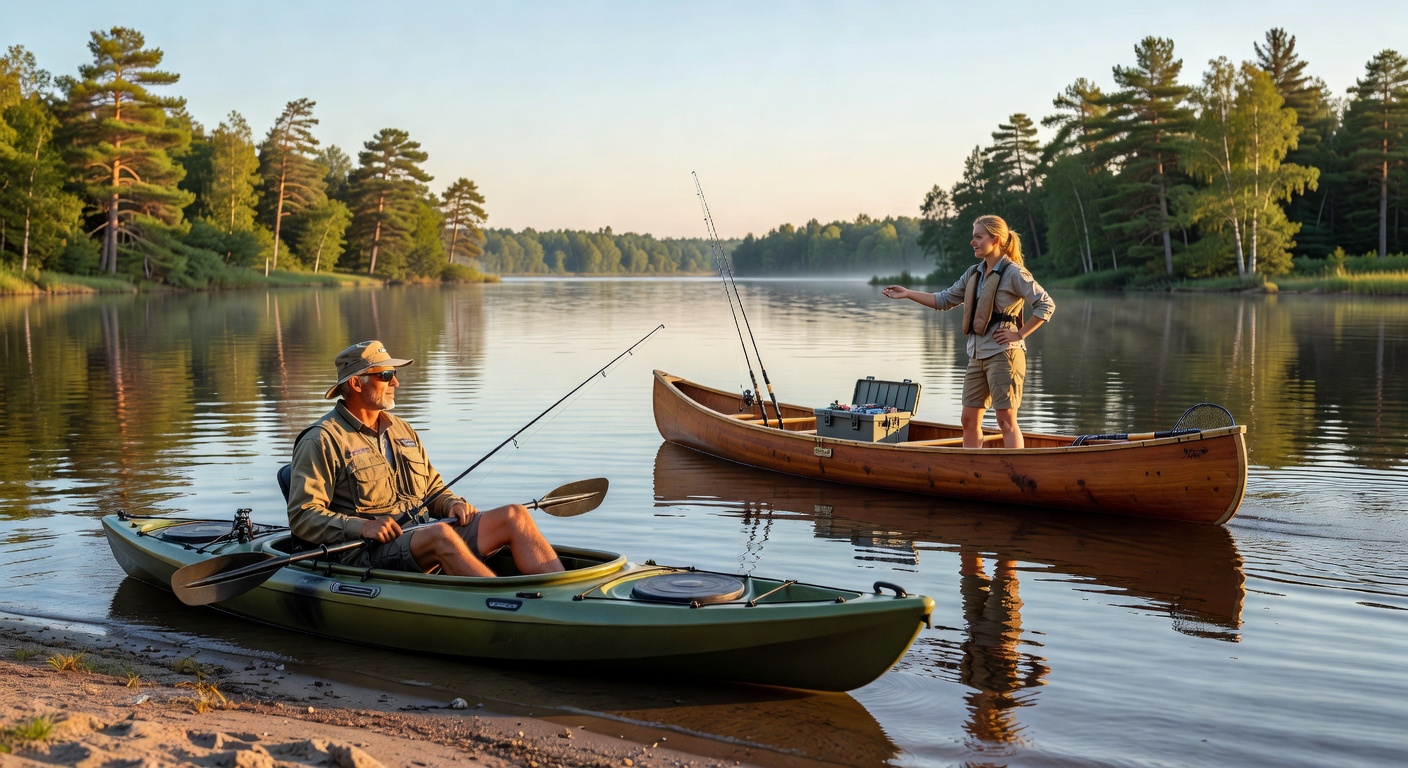
When you rent a fishing kayak, you get a vessel designed specifically for angling. These kayaks are engineered for exceptional stability, often allowing you to stand up to scout for fish or cast farther. This is a huge advantage on choppy waters or when reeling in a strong catch. Most fishing kayaks for rent come equipped with built-in rod holders, allowing for hands-free fishing while you paddle or manage your line. In contrast, a fishing canoe rental offers less inherent stability; standing is rarely safe, and you’ll need to hold your rod or use improvised holders. For solo trips where you want to focus on casting and fighting fish, a fishing kayak is the clear winner. If you’re planning a trip on waters like the Bass River, a stable kayak can make all the difference.
Storage and Space for Gear
A canoe provides significantly more open deck space than a kayak. If your trip involves hauling a large cooler, multiple tackle boxes, camping gear, or extra rods, a canoe is the better choice. You can spread out your equipment and access it easily. However, this space comes at a cost: canoes are less efficient to paddle solo and can be harder to control in wind. Kayaks, especially sit-on-top models, have sealed storage compartments that keep your gear dry. While you have less total space, the storage is organized and secure. For a day trip on a river like the Salmon River, a kayak’s storage is usually sufficient. For a multi-day expedition where you need to bring a lot of gear, a canoe’s volume is hard to beat.
Maneuverability and Ease of Use
Kayaks are generally more maneuverable than canoes. A shorter kayak can turn quickly, which is helpful when navigating tight creeks or around fallen trees. Paddling a kayak solo is intuitive and efficient, as you sit low and use a double-bladed paddle. Canoes, while easier to paddle with a partner, require skill to steer solo, especially in wind. You’ll need a single-bladed paddle and often a J-stroke to keep a straight line. For a relaxing day on a calm lake or a slow-moving river like those found in kayak rentals Cape Cod, a canoe with a partner is a joy. But for solo fishing in varied conditions, a kayak is simpler to control. Many rental outfitters, including those offering a salmon river kayak rental, will have both options, so consider your group size and the water conditions before you decide.
Expert Tips for a Successful Fishing Kayak Adventure
Master the Seated Cast
One of the biggest adjustments for anglers new to a fishing kayak for rent is casting from a seated position. On land, you rely on your legs and torso rotation, but in a kayak, your lower body is anchored. Practice short, controlled casts before you hit the water. Use a sidearm or pendulum motion to keep your rod tip low and avoid snagging your paddle. This technique is especially crucial on windy days or when fishing tight cover like the reeds along Bass River kayak rental hotspots. A stable fishing kayak allows you to focus on your form without worrying about tipping.
Rig for Control and Comfort
To maximize your time on the water, invest in a few key accessories. A stake-out pole or anchor trolley lets you hold position over a productive spot without drifting, which is essential when you rent a fishing kayak on moving water like the Salmon River kayak rental runs. Dress in layers—a moisture-wicking base, insulating mid-layer, and a waterproof outer shell—to adapt to changing conditions. A waterproof camera is a must for documenting your catch and the scenery. Many kayak rentals Cape Cod operators include rod holders and safety gear, but you can also ask about adding a fish finder for an extra fee.
Tap Local Knowledge
Don’t go it alone. Local guides are invaluable for unlocking the best fishing spots. They can provide hotspot maps and share techniques specific to the area, such as the best lures for striped bass near the Cape or the optimal drift patterns on the Salmon River. When you book a kayak rentals Cape Cod trip, ask the outfitter for guide recommendations. Many, like those offering a Bass River kayak rental, partner with experienced anglers who know the tides and structure. This insider advice can turn a good day into a great one, helping you land more fish and make the most of your fishing kayak adventure.
Frequently Asked Questions About Fishing Kayak Rentals
Do I Need a Fishing License?
Yes, in almost every location, you must have a valid fishing license to fish from a kayak. Regulations vary by state, so check local rules before you head out. For example, if you book a salmon river kayak rental in New York or a bass river kayak rental in Massachusetts, you’ll need the appropriate state license. Many rental outfitters, like those offering kayak rentals Cape Cod, will remind you to bring your license and may even sell one on-site. Always confirm with your rental provider—some locations, such as those on the Caney Fork River, also require a trout stamp. Without a license, you risk fines and losing your fishing opportunity.
Can I Stand Up? What If I’ve Never Kayaked Before?
Modern fishing kayaks are designed for stability, so standing up is possible on many models. When you rent a fishing kayak, look for a wide, flat hull—these are engineered to handle choppy waves and allow you to stand and scout for fish. However, always test your balance in calm water first. If you’ve never kayaked before, don’t worry. Rental shops often provide a quick lesson on paddling technique and safety. For instance, outfitters like Frontenac Outfitters demonstrate how to strap your kayak and offer basic instruction. Start on a calm lake or slow river, and you’ll quickly get the hang of it. Many first-timers successfully rent a fishing kayak and enjoy a full day on the water.
Are There Age Restrictions? What Happens in Bad Weather?
Age limits vary by rental company, but most require renters to be at least 18 to sign a waiver. Children can often join if accompanied by an adult, with some outfitters setting a minimum age of 12 or 16 for solo rentals. Always check with the provider—for example, a salmon river kayak rental may have stricter rules due to swift currents. In bad weather, safety comes first. Rental companies monitor forecasts closely. If storms, high winds, or dangerous conditions are predicted, they may cancel or reschedule your trip. Many offer refunds or rain checks. For instance, kayak rentals Cape Cod often have flexible policies due to sudden coastal weather changes. Always ask about the cancellation policy when you book, and never paddle in lightning or strong winds.
Conclusion
Renting a fishing kayak offers an unbeatable combination of affordability, convenience, and access to prime fishing locations. You avoid the high costs of ownership, storage, and maintenance while still enjoying the freedom to explore hidden coves, quiet flats, and remote shorelines that larger boats cannot reach. This low-barrier entry allows anglers of all skill levels to experience the thrill of fishing from a kayak without a long-term commitment.
The unique perspective of being eye-level with the water heightens every strike and creates a more intimate connection with your surroundings. To make the most of your adventure, book your rental early, especially during peak seasons, and come prepared with sunscreen, water, and a proper life jacket. Whether you are a seasoned angler or a curious beginner, the experience is both rewarding and memorable.
Do not wait to cast your line from the best seat on the water. Reserve your fishing kayak today, pack your gear, and get ready to discover why so many anglers are trading in their boats for a paddle and a kayak. Your next great catch is just a rental away.
Frequently Asked Questions
Renting saves you money, storage space, and transport hassle. You get access to specialized gear like pedal systems and rod holders, and you can try different models before committing to a purchase.
Look for stability for standing, hands-free pedal or trolling motor options, horizontal rod storage, built-in tackle trays, and comfortable seating. These features enhance your fishing experience and safety on the water.
Self-guided rentals typically range from $70 to $125 per day. Guided trips start around $200. Extras like damage insurance and gear packages may add to the cost, but reputable outfitters have no hidden fees.
Yes, you need a valid fishing license for the state and water body you're fishing in. Some locations also require additional stamps, like a trout stamp. Always check local regulations before your trip.
Most rentals include a personal flotation device (PFD), paddle, and safety whistle. You should bring your own fishing license, sunscreen, water, snacks, and a dry bag to protect your gear.
Yes, many outfitters offer discounted group rates for parties of 25 or more. It's best to book online in advance, especially during peak seasons, to ensure availability for your group.
Avoid not reserving in advance, ignoring weight limits, forgetting your fishing license, using a recreational kayak for fishing, and failing to secure your gear. These can lead to a poor experience or safety issues.
Fishing kayaks offer better stability and rod holders, ideal for solo anglers. Canoes provide more gear space and are easier to paddle with a partner. Choose based on your trip type and preference for hands-free fishing.