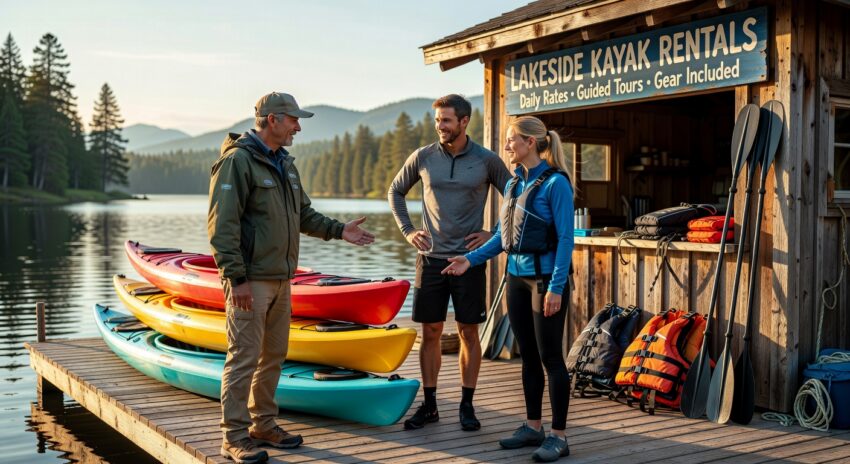
Renting a kayak is one of the best ways to explore lakes, rivers, and coastal waters without the commitment of ownership. Whether you’re a first-timer or an experienced paddler, knowing how to rent a kayak can save you time, money, and hassle.
Why Rent a Kayak? Benefits of Renting Over Buying
Save Money and Avoid Hidden Costs
Buying a kayak can set you back anywhere from a few hundred to several thousand dollars, and that’s before you factor in a roof rack, paddles, life jackets, and storage fees. Renting eliminates these upfront expenses entirely. For example, at locations like Zink Lake Rentals in Tulsa, you can book a single or tandem kayak for a few hours at a fraction of the purchase price. This makes renting ideal for occasional paddlers who might only hit the water a handful of times a year. Instead of investing in gear that sits idle, you pay only for the time you use. Plus, you avoid maintenance costs like hull repairs or replacing worn-out parts. Many rental services, such as those at Lake Overholser Boathouse, even include life vests and paddles in the rental fee, so you can simply show up and paddle. For a comprehensive look at top fishing kayak rental spots, check out our guide.
Storage and Travel Convenience
Storing a kayak requires significant space—a garage, shed, or dedicated rack—which isn’t practical for apartment dwellers or those with limited room. Renting solves this problem instantly. You can rent a kayak at a local park or boathouse, use it for a few hours, and return it without worrying about where to keep it. For travelers, renting is a game-changer. If you’re visiting a city like Oklahoma City or Wichita, you can rent a kayak on-site at places like Scissortail Park or the Wichita Park and Recreation self-service stations. This allows you to explore new waterways without hauling gear across state lines. Many rental providers also offer guided kayak tours, which combine equipment with local expertise—perfect for discovering hidden gems like the Stinchcomb Wildlife Refuge.
Try Before You Buy and Explore Variety
Renting gives you the freedom to test different kayak models before committing to a purchase. You might start with a stable, two-seater explorer kayak for a relaxed family outing, then switch to a sleek solo kayak for a faster, more agile experience. This hands-on trial helps you understand what fits your paddling style—whether you prefer a sit-on-top for warm weather or a touring model for longer trips. Rental fleets often include unique options, like the custom-colored kayaks offered by Oklahoma Kayak, which you won’t find in standard retail stores. For those interested in group adventures, many boathouses organize kayak tours that let you sample multiple boat types over a single outing. This flexibility ensures you make an informed choice if you eventually decide to buy, while still enjoying the water immediately.
Types of Kayaks Available for Rent
Single and Tandem Kayaks: Solo Adventures and Family Fun
The most common rental options are single and tandem kayaks. A single kayak is designed for one person, offering maximum maneuverability and control. It’s an excellent choice for solo explorers who want to paddle at their own pace. Most single rentals accommodate a maximum weight of around 300 pounds, making them suitable for a wide range of paddlers. For beginners, a single kayak is often the best starting point because it allows you to focus on learning basic strokes without coordinating with a partner.
Tandem kayaks, built for two people, are perfect for couples, friends, or families with children. These kayaks are inherently more stable due to their wider beam and longer hull, providing a smooth, steady ride. Many rental services, like those at Zink Lake in Tulsa, note that a tandem kayak ensures “double the fun” and is ideal for shared adventures. They typically have a combined weight limit of around 400 pounds. If you’re new to kayaking with a partner, a tandem is a great choice because it encourages teamwork and makes covering longer distances easier. For families with young children, a tandem allows an adult to do most of the paddling while the child enjoys the ride.
Sit-on-Top vs. Sit-Inside Kayaks: Comfort and Conditions
When you rent a kayak, you’ll often choose between sit-on-top (SOT) and sit-inside (SI) designs. Sit-on-top kayaks are exactly what they sound like: you sit on a molded seat on top of the hull. They are self-bailing, meaning any water that splashes in drains out through scupper holes. This makes them exceptionally stable and easy to re-enter if you capsize, which is why they are the top recommendation for beginners, warm-weather paddling, and casual lake trips. They are also very family-friendly because they offer a low learning curve, and modern carbon fiber sit-on-top kayaks are increasingly popular.
Explorer Kayaks: Built for Longer Journeys
For those looking to go beyond a quick paddle around the dock, an explorer kayak is the ideal rental choice. Also known as touring or sea kayaks, these are longer, narrower, and more efficient than recreational models. Their design allows them to track straight with less effort, making them perfect for covering significant distances on lakes, rivers, or coastal areas. An explorer kayak typically has a sit-inside cockpit with a spray skirt to keep water out, and it offers ample storage for gear, snacks, and extra layers.
If you’re interested in kayak tours that last several hours or explore wildlife refuges—like the guided excursions into the Stinchcomb Wildlife Refuge from Lake Overholser—an explorer kayak is the right tool. It provides the speed and stability needed for a full-day adventure. While not the best choice for absolute beginners due to its narrower hull, it is excellent for intermediate paddlers or those who have taken a basic lesson. When you rent a kayak for touring purposes, always ask if an explorer model is available, as it will significantly enhance your experience on the water.
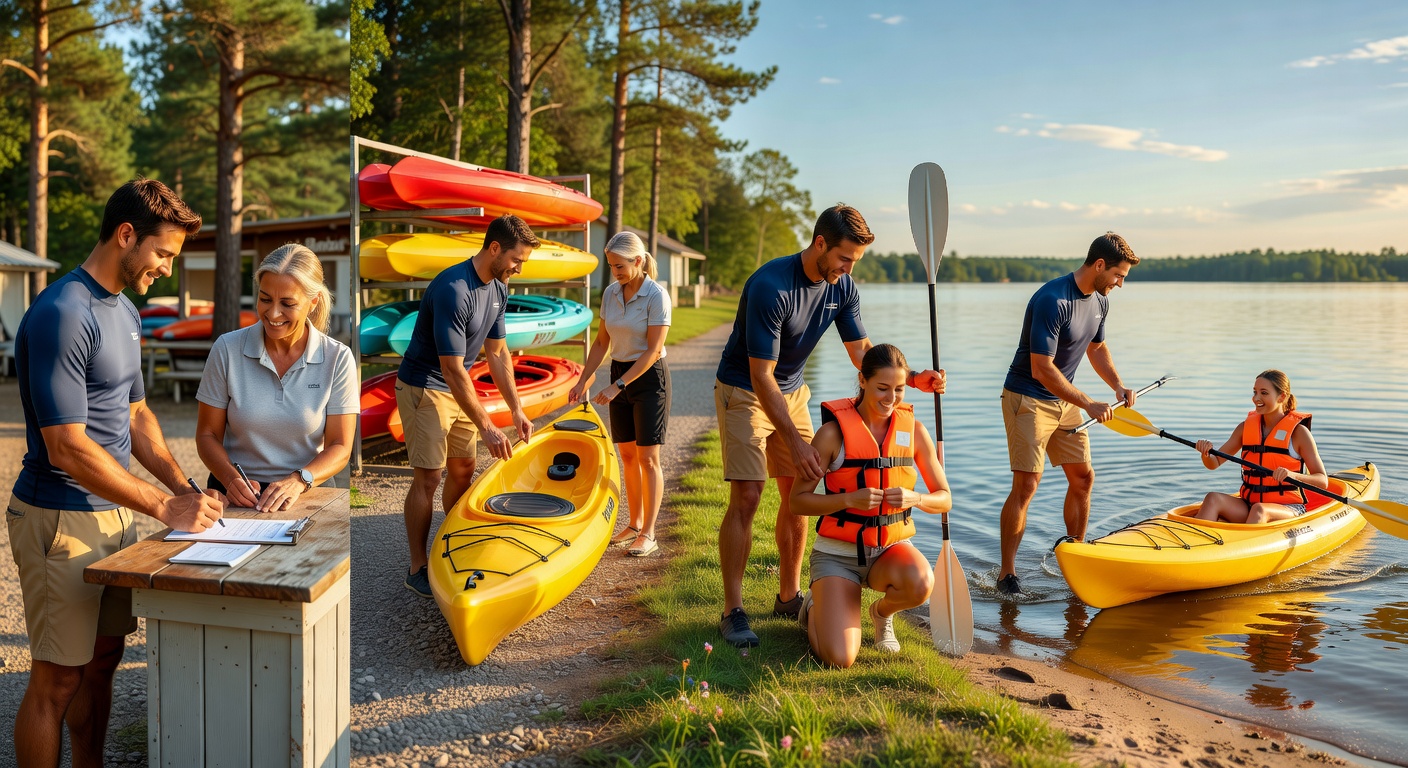
How to Rent a Kayak: Step-by-Step Process
Step 1: Research and Choose Your Location
Start by identifying where you want to paddle. Many urban lakes and rivers offer kayak rentals, often with access to scenic wildlife refuges or calm waterways. For example, RIVERSPORT’s Lake Overholser Boathouse in Oklahoma City sits on the east shore just south of the historic Route 66 bridge, providing direct access to the North Canadian River and Stinchcomb Wildlife Refuge. Check if the location offers guided group paddling excursions or sunset tours, which can enhance your experience. Also, note operating hours—last kayak rentals are typically one hour before closing. For a family-friendly option, Zink Lake Rentals in Tulsa operates Friday through Sunday with easy online booking and walk-up availability.
Step 2: Check Availability and Book
Once you’ve chosen a spot, confirm availability. Many rental services allow online reservations, which is ideal for peak times. For instance, Zink Lake Rentals offers a simple online booking system for single or tandem explorer kayaks. If you prefer a walk-in, call ahead to ensure gear is in stock. For self-service convenience, look for kiosks like those offered by Rent.fun. In Wichita, for example, you can scan a QR code on a locked cage at the park, reserve a kayak for a specific time, and pay instantly—all without staff interaction. This option is perfect for spontaneous trips, but remember that users must be 18 or older and rent during park hours.
Step 3: Review Rental Terms and Pick Up Gear
Before you paddle, carefully read the rental agreement. Key details include weight limits (e.g., single kayaks often max out at 300 pounds, tandem at 400 pounds), age requirements (riders 15 and under need a parent co-sign, and those 12 and under must be accompanied by an adult), and prohibited items like food or drink (water is usually allowed). At Scissortail Park, for instance, all riders must be at least 36 inches tall. When picking up gear, inspect the kayak, paddle, and life jacket for damage. For self-service kiosks, the rental agreement is signed digitally, and you’re responsible for the cost of any damage or loss. After your adventure, return the kayak to the designated area or kiosk before your rental time expires. Many locations, like those at Zink Lake, offer easy drop-off, ensuring a smooth end to your day on the water.
What to Look for in a Kayak Rental Company
Equipment Quality and Safety Gear
When you rent a kayak, the condition of the equipment is non-negotiable. A reputable company maintains its fleet regularly, ensuring hulls are free of cracks, seats are comfortable, and paddles are properly balanced. Look for modern, well-cared-for boats like the popular explorer kayak models, which offer stability and tracking for both beginners and experienced paddlers. Safety gear should always be included—this means a properly fitting lifejacket (PFD) for every paddler, plus a paddle that matches your height and skill level. For example, RIVERSPORT’s Lake Overholser Boathouse provides lifejackets and paddles with every rental, and their last rental is one hour before closing, giving you ample time to enjoy the water safely. Similarly, Zink Lake Rentals in Tulsa includes all necessary safety equipment with their single and tandem kayaks, and they require riders 12 and under to be accompanied by an adult. Always confirm that the company supplies a whistle or other signaling device, especially if you plan to explore remote areas like the Stinchcomb Wildlife Refuge.
Staff Expertise and Customer Reviews
The knowledge of the rental staff can make or break your experience. Expert employees can recommend the best route for your skill level, explain local hazards, and offer tips on paddling technique. For instance, RIVERSPORT offers guided group paddling excursions into the adjacent Stinchcomb Wildlife Refuge by reservation, which is ideal for those new to kayak tours. Before booking, check recent customer reviews on platforms like Google or Yelp. Look for consistent praise about friendly, helpful staff and well-maintained equipment. A company that actively responds to feedback—like Zink Lake Rentals, which emphasizes family-friendly, locally managed service—is often more reliable. Avoid outfits with repeated complaints about broken gear or unhelpful employees.
Location and Accessibility
Your chosen rental location should match your paddling goals. For a quick, urban outing, consider a centrally located spot like Scissortail Park in Oklahoma City, which offers single and tandem kayaks with clear weight limits (single: 300 lbs; tandem: 400 lbs) and requires riders 15 and younger to have a parent co-sign the waiver. For a more nature-focused trip, RIVERSPORT’s Lake Overholser Boathouse provides access to the North Canadian River and wildlife areas. If you prefer a self-service option, Wichita’s partnership with Rent.Fun allows you to rent a kayak via QR code during park hours—perfect for spontaneous adventures. Always verify operating hours, as many places close rentals one hour before sunset.
Kayak Tours: Guided vs. Self-Guided Rentals
Guided Kayak Tours: Expert-Led Adventures
When you choose a guided kayak tour, you are not just renting a kayak—you are buying into an experience curated by a local expert. These tours are led by knowledgeable guides who know the waterways intimately, from hidden coves to prime wildlife viewing spots. For example, at Lake Overholser in Oklahoma City, guided group paddling excursions into the adjacent Stinchcomb Wildlife Refuge are available by reservation, often timed for sunset to maximize scenic beauty and animal activity. The guide handles navigation, safety, and storytelling, allowing you to focus entirely on the surroundings. This option is ideal for beginners who lack confidence on the water, visitors unfamiliar with the area, or anyone seeking a rich, educational outing. Guided tours typically include all equipment, so you simply show up and paddle, making them a hassle-free choice for a memorable day.
Self-Guided Rentals: Freedom and Flexibility
For those who value independence and lower costs, self-guided rentals are the perfect alternative. With services like the self-service kayak station at Wichita’s parks, you can scan a QR code, reserve your kayak, and hit the water on your own schedule. This approach gives you complete control over your route, pace, and duration. You can explore at your leisure, whether that means a quick solo paddle in a single kayak or a tandem adventure with a friend. Many rental locations, such as Zink Lake Rentals in Tulsa, offer easy online booking and walk-up options on weekends, with family-friendly single and two-seater kayaks available. Self-guided rentals are best for experienced paddlers, groups who want to customize their outing, or budget-conscious travelers. Just remember to check local rules—for instance, at Scissortail Park, all riders under 16 need a parent to co-sign a waiver, and no food or drinks are allowed in the boats except water.
When to Choose Each Option
Your choice between guided and self-guided ultimately depends on your goals. Opt for a guided tour if you want to maximize wildlife viewing, learn about the ecosystem, or ensure a safe experience in unfamiliar waters. It’s also a great way to meet fellow paddlers. Conversely, choose a self-guided rental when you crave solitude, want to practice skills, or need to stick to a tight budget. For example, an explorer kayak rented independently lets you chart your own course along the North Canadian River, while a guided sunset tour at Lake Overholser offers curated beauty. Both options have their place—guided for depth and ease, self-guided for freedom and value. Consider your skill level, time, and desire for structure to make the best choice for your next paddling adventure.
Common Mistakes to Avoid When Renting a Kayak
Skipping the Weather Check
One of the most common mistakes renters make is failing to check current and forecasted conditions before heading out. Wind, thunderstorms, and sudden temperature drops can turn a pleasant paddle into a dangerous situation. For example, at RIVERSPORT’s Lake Overholser Boathouse, guided group excursions into the Stinchcomb Wildlife Refuge are popular, but staff will cancel trips if conditions become unsafe. Always check local weather services and ask the rental outfitter about typical afternoon wind patterns. If you plan to rent a kayak for a full day, remember that last rentals close one hour before sunset—don’t get caught in the dark.
Ignoring Weight Limits and Capacity Rules
Every kayak has a maximum weight capacity, and exceeding it compromises stability and safety. At Scissortail Park, single kayaks have a 300-pound limit, while tandem kayaks hold up to 400 pounds total. Ignoring these limits can cause the kayak to sit too low in the water, making it prone to capsizing. Similarly, Zink Lake Rentals offers two-seater kayaks for couples or families, but they require all riders age 15 and younger to have a parent or guardian co-sign the waiver. If you’re planning kayak tours with a group, confirm each person’s weight and the boat’s rating. Overloading is not only risky—it may void your rental agreement.
Failing to Read the Rental Agreement
Many renters skip the fine print, only to face unexpected fees or restrictions. For instance, Wichita Park and Recreation’s self-service kayak station requires users to sign a rental agreement that holds them responsible for the cost of damage or loss. Some policies, like those at Scissortail Park, prohibit food and drinks (except water) in the boats and restrict access to certain wetland areas. Before you rent a kayak, read the terms carefully. Look for clauses about late returns, damage liability, and prohibited activities. If you’re using an explorer kayak for a longer trip, confirm whether the rental includes a safety briefing or mandatory gear.
Not Wearing a Lifejacket
Even strong swimmers should wear a properly fitted lifejacket at all times. Rental policies universally require this, yet many people remove them once on the water. At Zink Lake Rentals, all riders age 12 and younger must be accompanied by an adult, and lifejackets are provided for every guest. If you’re renting from a self-service station, like the one in Wichita, the QR-code system includes a digital waiver that reminds you to wear the jacket. Don’t assume you can paddle without one—currents, sudden waves, or fatigue can lead to accidents. For kayak tours, outfitters often enforce this rule strictly; failing to comply may end your trip early.
Expert Tips for a Great Kayak Rental Experience
Arrive Early and Come Prepared
To get the most out of your day on the water, plan to arrive at least 15–20 minutes before your scheduled rental time. This buffer allows you to complete waivers, get fitted for a life jacket, and receive a thorough orientation—especially important if you’re renting from a busy location like Lake Overholser or Zink Lake, where walk-ups are common on weekends. Bring plenty of water (most rental facilities, including Scissortail Park, allow only water in boats) and apply sunscreen before you launch. A hat and sunglasses with a strap are also smart additions. If you’re planning a longer trip, pack snacks in a dry bag. Many boathouses, such as RIVERSPORT’s Trailhead Cafe, offer drinks and snacks, but having your own supplies ensures you stay hydrated and energized.
Know Your Skill Level and Ask About Local Conditions
Before you rent a kayak, honestly assess your experience. Single kayaks are ideal for solo paddlers, while tandem kayaks—like the two-seater explorer kayak available at Zink Lake Rentals—offer a stable, fun option for couples or friends. If you’re a beginner, ask the rental staff about wind, currents, and any hazards like shallow areas or wildlife zones. For example, at Lake Overholser, guided group paddling excursions into the Stinchcomb Wildlife Refuge are available by reservation, giving novices a safe, guided introduction. Experienced paddlers might prefer self-guided kayak tours, but always check for local rules—such as the 36-inch height requirement for riders at Scissortail Park—to avoid surprises.
Inspect Equipment Before Launching
Never skip a pre-launch check of your rental gear. Look for cracks or soft spots in the hull, ensure the seat is secure, and test that the paddle is straight and not warped. Confirm that your life jacket fits snugly and that you have a whistle or signal device if required. At self-service stations like those in Wichita, where you scan a QR code to rent a kayak, you are responsible for the equipment’s condition—so a quick inspection can prevent a frustrating day. If you notice any issues, ask the staff for a replacement before you head out. A few minutes of checking now can save you from a leaky boat or a broken paddle mid-lake.
Kayak Rental Costs and What’s Included
Hourly, Half-Day, and Full-Day Pricing
When you rent a kayak, you’ll typically choose from hourly, half-day, or full-day options. Hourly rates are ideal for a quick paddle—expect to pay $15–$25 per hour for a single kayak, with tandem or specialty models like the explorer kayak costing slightly more. Half-day rentals (usually 4 hours) range from $40–$60, while full-day rates (8 hours) often fall between $60–$90. Some locations, such as Zink Lake Rentals in Tulsa, offer family-friendly pricing for two-seater kayaks, making it affordable for couples or small groups. Always check if the rental includes a paddle and lifejacket, as these are standard inclusions at most outfitters.
Extra Fees and Deposits to Watch For
Beyond the base rate, be aware of potential extra fees. Many rental companies require a security deposit—often $50–$100, refundable upon return of the kayak in good condition. Late return fees are common, typically charged per hour or as a flat penalty (e.g., $20 per hour overdue). Some providers, like RIVERSPORT’s Lake Overholser Boathouse, require last rentals one hour before closing, so plan your timing carefully. Additionally, if you’re joining guided kayak tours, there may be a separate fee for the guide service. Always read the rental agreement to avoid surprises, especially regarding damage waivers or cleaning charges.
Membership Options and Unlimited Rentals
For frequent paddlers, membership programs offer excellent value. Rent.fun, for example, partners with parks like those in Wichita to provide self-service kayak rentals via QR code—users can reserve and pay for specific time slots. Some memberships include unlimited rentals for a monthly or annual fee, allowing you to rent a kayak as often as you like without per-use charges. This is ideal for exploring multiple locations, such as Scissortail Park’s ADA-accessible pedal boats or the Stinchcomb Wildlife Refuge via guided excursions. Before committing, confirm what’s included: most memberships cover a standard kayak, paddle, and lifejacket, but premium models like the explorer kayak may require an upgrade fee.
Top Destinations for Kayak Rentals
Oklahoma City Gems: Lake Overholser & Scissortail Park
For a classic Oklahoma City paddling experience, head to **Lake Overholser**. The RIVERSPORT Boathouse, located just south of the historic Route 66 bridge, is your launch point. Here you can **rent a kayak** and explore the calm waters that connect to the North Canadian River and the Stinchcomb Wildlife Refuge. This spot is a haven for nature lovers, offering guided group paddling excursions into the refuge—sunset tours are particularly magical. The Trailhead Cafe is on-site for refreshments, and rentals are available daily, with the last kayak or SUP rental one hour before closing.
In the heart of downtown, **Scissortail Park** offers a completely different vibe. The park’s lake is perfect for a quick, urban paddle. What sets this location apart is its commitment to accessibility. They offer an **ADA-accessible pedal boat** for up to four passengers (max 564 lbs), alongside single and tandem kayaks. It’s a fantastic option for families or groups with varying abilities. Remember, all riders 15 and younger need a parent or guardian to co-sign the waiver, and riders must be at least 36 inches tall.
Tulsa’s Urban Waterway: Zink Lake
Tulsa’s Zink Lake has quickly become a premier destination for on-water fun. Managed locally, Zink Lake Rentals makes it easy to get out on the water with simple online booking and walk-up availability on Fridays through Sundays. Whether you’re a solo paddler looking for a smooth, stable ride or a pair wanting to share the experience, they have you covered. Their two-seater kayak is built for double the fun, perfect for couples or friends. For those seeking a more independent adventure, their single **explorer kayak** is ideal for navigating the lake’s scenic edges. It’s a family-friendly, locally managed operation that prioritizes a great experience.
Wichita’s Self-Service Solution
Wichita Parks and Recreation has embraced modern convenience with a self-service kayak rental system. Partnering with Rent.Fun, you can find a secure cage of kayaks at select parks. To **rent a kayak**, simply scan the QR code on the cage with your phone to reserve and pay for your desired time slot. This innovative system allows for ultimate flexibility—paddle at your own pace without a fixed return time. The station is typically located near the concession building on the north side of the park. Note that all users must be 18 or older to rent, and the service is available during standard park hours. It’s a perfect, low-hassle option for spontaneous paddling trips.
Frequently Asked Questions About Kayak Rentals
Do I Need a Reservation?
While walk-ups are welcome at many locations, reserving your kayak in advance is highly recommended, especially on weekends. For example, Zink Lake Rentals in Tulsa operates Friday through Sunday and offers easy online booking to guarantee your spot. At RIVERSPORT’s Lake Overholser Boathouse, guided group paddling excursions into the Stinchcomb Wildlife Refuge require a reservation, and sunset kayak tours are popular. A good rule of thumb: if you want a specific time, type of kayak, or plan to rent during peak hours, book ahead. Last rentals are typically one hour before closing, so arriving early ensures you have enough time to explore.
What If I’ve Never Kayaked?
No experience is necessary to rent a kayak. Most rental locations provide stable, beginner-friendly options like the explorer kayak, which is designed for easy maneuvering and comfort. Staff are usually on hand to offer basic paddling instructions, safety tips, and local route suggestions. If you’re nervous, consider joining a guided kayak tour—these are led by experienced paddlers who can show you the best spots while you learn the ropes. For solo adventurers, single kayaks are available, while tandem kayaks are perfect for couples or friends who want to share the experience.
Can I Rent a Kayak for a Child? What About Weight Limits?
Yes, children can kayak, but policies vary by location. At Scissortail Park, all riders age 15 and younger must have a parent or guardian co-sign the waiver, and riders age 12 and younger must be accompanied by an adult. Additionally, riders must be at least 36 inches tall—no lap riders are allowed. Weight limits are strictly enforced for safety: single kayaks typically hold up to 300 pounds, tandem kayaks up to 400 pounds, and canoes up to 720 pounds. Always check the specific limits at your rental site. For example, self-service stations like those in Wichita require users to be 18 or older, so children must be accompanied by an adult who completes the rental agreement. For more ideas, see free kayaking spots near you.
Are Pets Allowed?
Pets are generally not allowed in rental kayaks due to safety and cleanliness policies. Most rental agreements explicitly prohibit animals, and you may be charged for damages if a pet is brought aboard. However, some locations may allow well-behaved dogs on private boats or during special events—always call ahead to confirm. For a stress-free outing, plan to leave your furry friend at home and enjoy the water with your human companions.
Conclusion
Renting a kayak is a straightforward and budget-friendly way to explore the water, whether you are a first-timer or a seasoned paddler. By choosing a reputable rental service, checking the weather, and selecting the right equipment for your skill level, you set yourself up for a safe and enjoyable experience. The key takeaway is that a little planning goes a long way in making your adventure both affordable and memorable.
The main benefit of renting is the freedom it offers: you can access stunning coastlines, serene lakes, or winding rivers without the commitment of ownership or storage. With the right preparation, you can focus on what truly matters—gliding across the water, taking in the scenery, and creating lasting memories.
So, don’t wait. Book your kayak rental today with confidence, and get ready to paddle into your next great adventure. The water is calling, and it’s easier than ever to answer.